


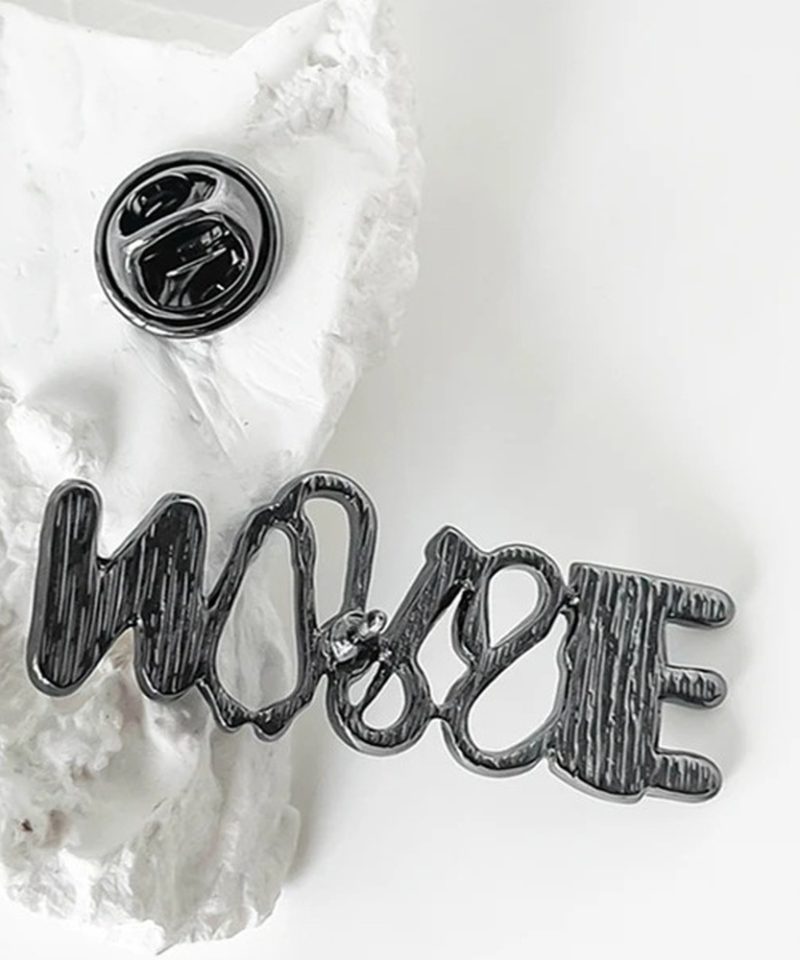
The Role Pin
$9.90
- local_shippingFree U.S. shipping over $50
- support_agentSupport: usually within 1 business day, Mon–Fri
Free U.S. shipping on orders $50+.
Description
Nobody is reading your badge
Your ID is a small line of type behind a scratched plastic sleeve, and it spends most of
the shift facing the floor. People work you out from the room instead — what you are
carrying, how fast you are walking, whether you look like the one in charge. This is one
more piece of that read, and it is the only piece you get to pick.
One word, and it is the one they already use
It does not say your licence level, your unit or how many years you have been doing this.
It says NURSE — which is what patients and families call you anyway,
on every floor, whatever the badge underneath says. Nothing to explain, and nothing to
change when you float.
It goes on the badge, not the top
Same rule as the rest of our pins. Scrub fabric is thin and a wide pin swings every time
you lean over a bed. On the badge or the lanyard it sits flat and faces out, riding on the
thing you already hold up to a reader forty times a day.
What’s in your hand
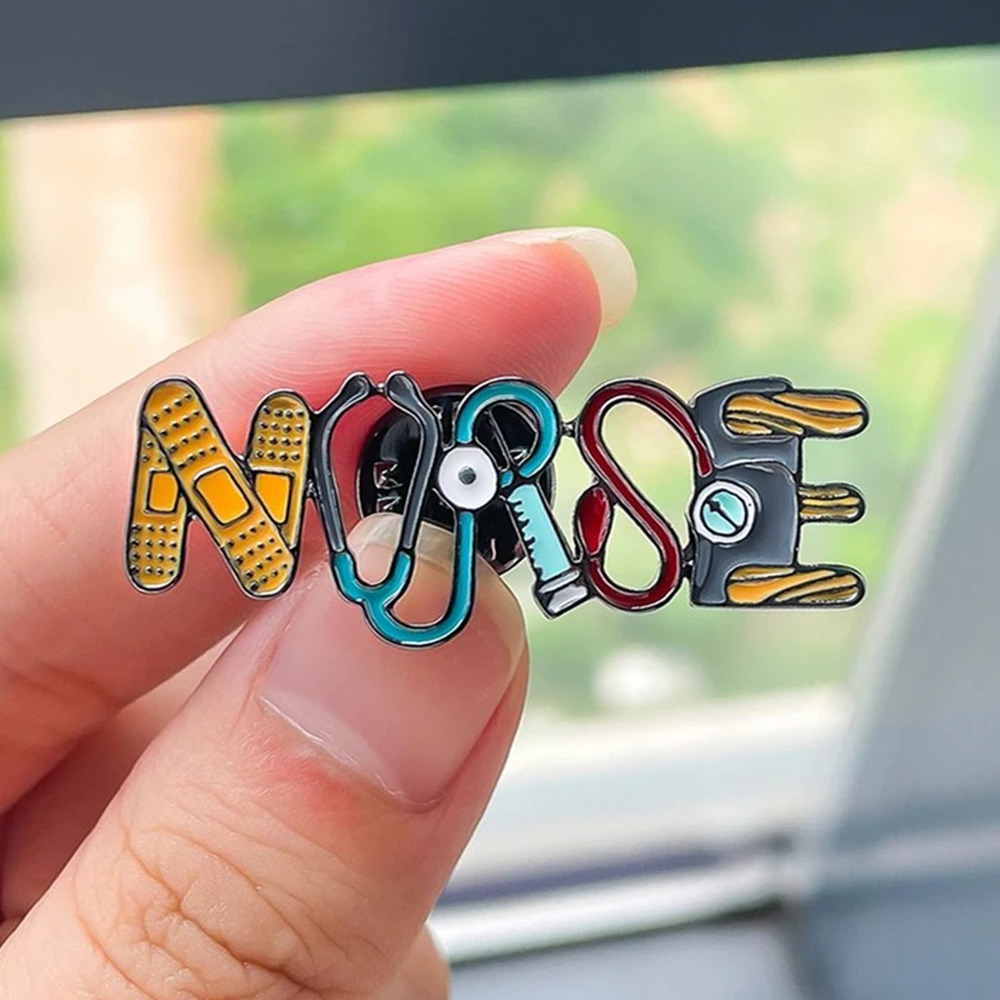
- Enamel over black nickel — the colour sits inside a raised metal
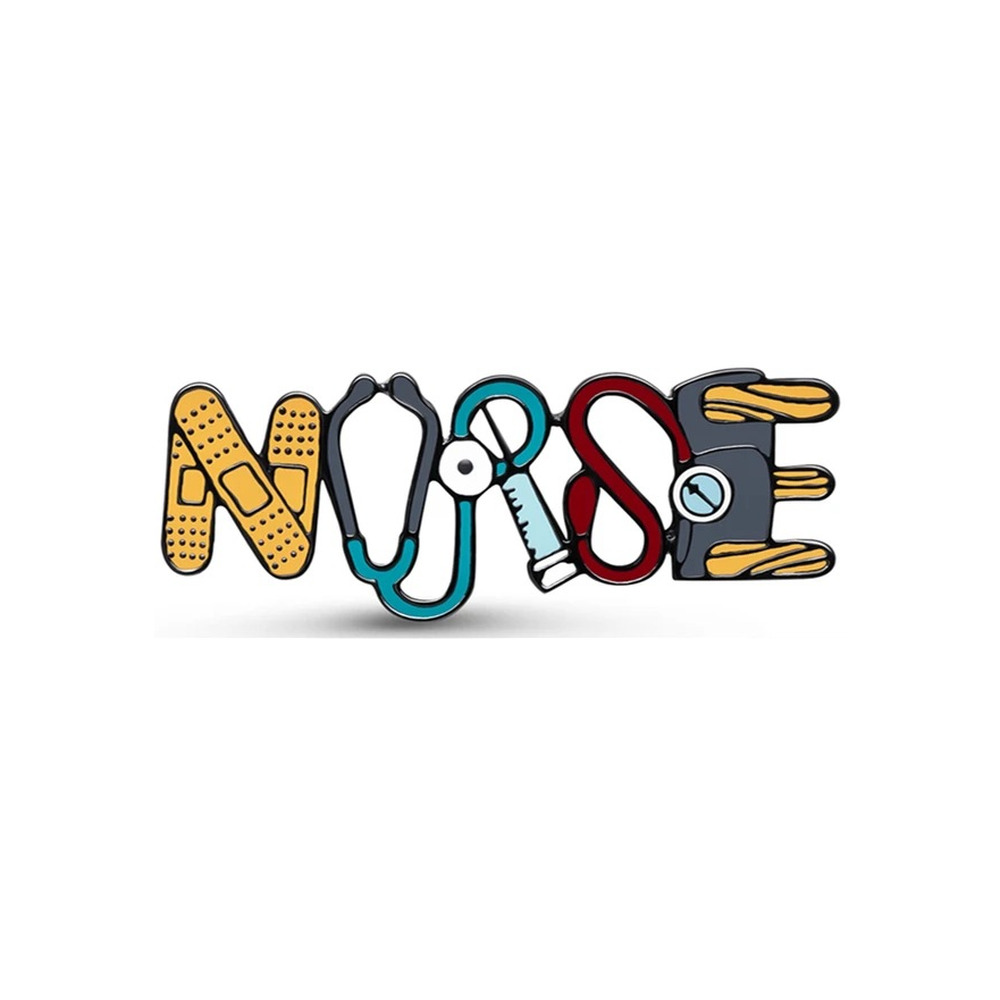
outline rather than printed on the surface, so the edges stay where they are. - Five letters, one piece — joined, not five separate pins. Each
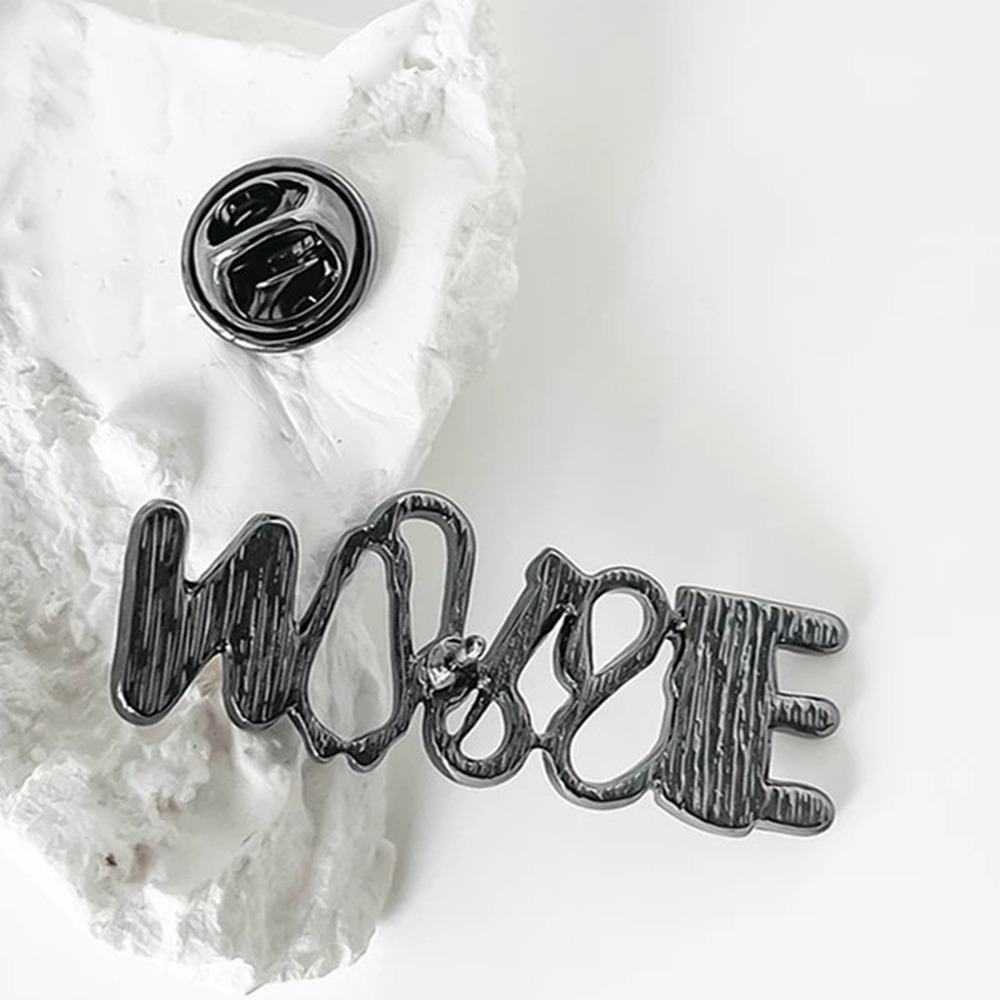
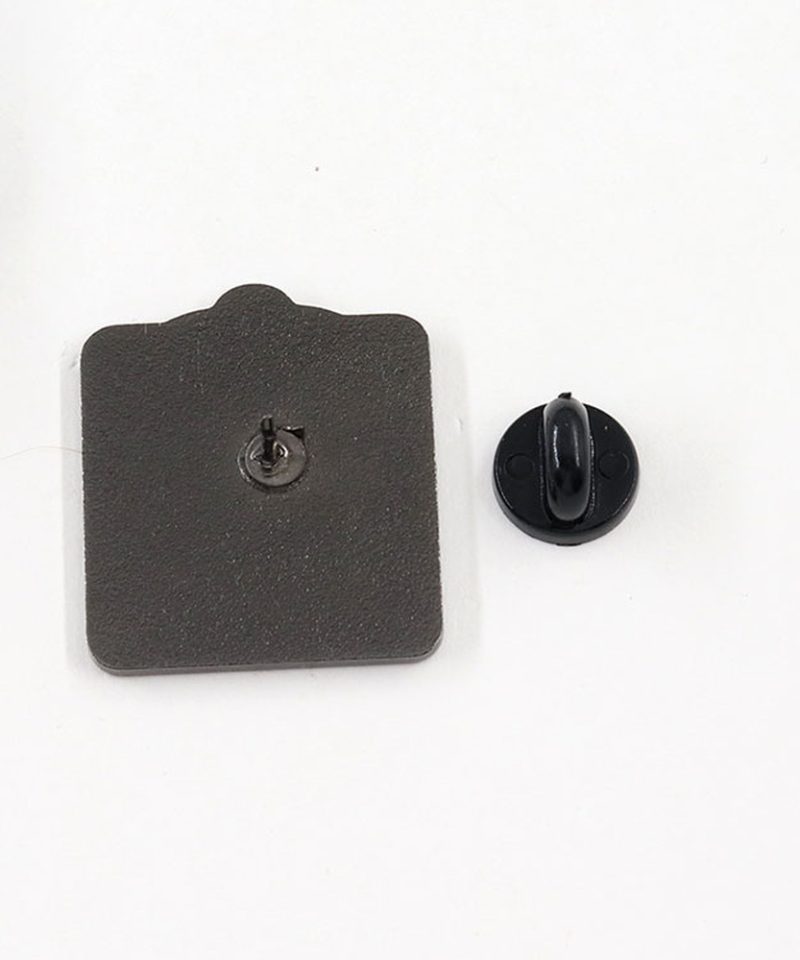
one is made out of something already in your pockets: bandages, a stethoscope, a syringe. - Butterfly clutch back — single post, two-prong clutch. Pushes on,
pinches off, no tool. - Wipes clean — hard face, plain metal back, nothing for a spill to
soak into.
Care
Wipe the face with your usual surface wipe. Take it off before anything goes in the wash
— the clutch is small, black, and exactly the shape of something a machine eats.
Related products
For Teams
Outfitting a team of 10 or more?
For 10+ pieces, request current availability, sizing coordination, color confirmation, and optional embroidery.
Explore team orders