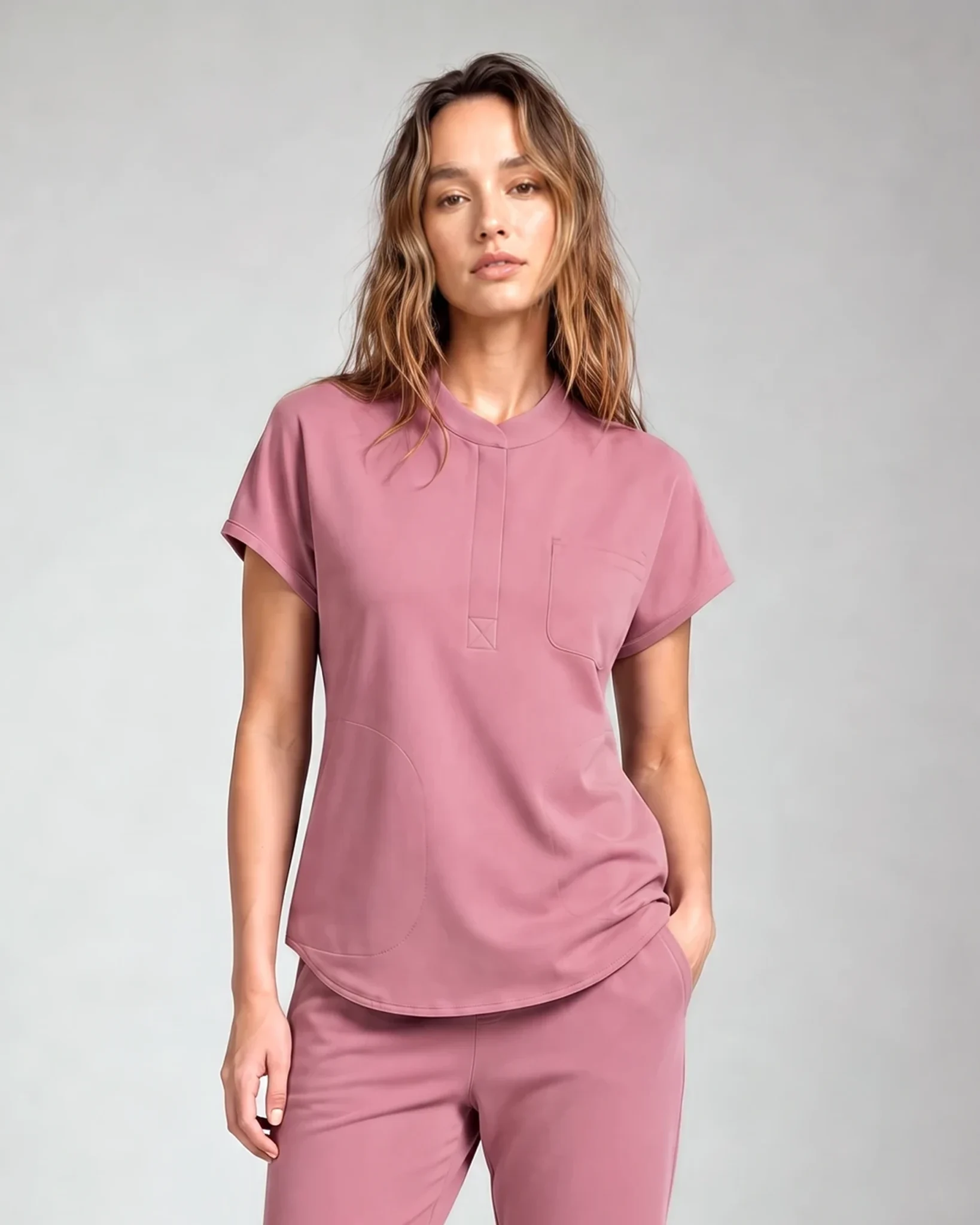

Why scrub pants rip at the pocket cannot be answered from the location alone. A stitched seam may have opened, the fabric beside the pocket may have torn, a zipper or other component may have pulled away, or an outside object may have cut or snagged the material. Unload the pocket, photograph the damage from both sides, and inspect the clean garment off-body before deciding whether it needs repair, retirement, or a policy review.
That distinction matters. Sewing an intact seam back together is a different job from stitching through fabric that has become thin or torn away. Calling every opening a “defect” or “normal wear” before inspection makes the next decision harder.
If the rip happens during work, solve coverage first
Stop using the damaged pocket. Move its contents to a permitted secure location, and do not keep testing the opening while the pant is on your body. If coverage has changed, follow the workplace’s clothing-change procedure and use a clean spare.
Do not push a pin, staple, or improvised sharp fastener through the fabric while wearing the garment. A quick fix can create another point that catches or scratches, and it changes the damage a repairer or seller needs to see.
When the immediate situation is settled, use the scrub emergency guide for the full coverage-first response and evidence packet. This page takes over after the pant is off, clean, and ready to inspect.
Name the failure before naming the cause
Turn the pocket inside out if the construction allows it without force. Use bright, even light and compare the outside with the inside. Look for what physically changed, not what you think must have caused it.
| What you see | Record this exact observation | What it does not prove |
|---|---|---|
| An opening follows an existing stitch line | Which seam opened, how long the opening is, and whether the fabric edge remains intact | Why the thread changed or who is responsible |
| The opening crosses the fabric beside the seam | Shape, length, direction, and whether nearby material looks thin, distorted, or cut | Whether load, fit, abrasion, a sharp object, or another event caused it |
| A pocket corner is pulled out of shape | Which corner, stitch condition, wrinkles, and whether the pocket mouth changed shape | That the corner was under-designed or overloaded |
| A zipper end or other component has detached | Which component moved, whether stitching or surrounding fabric opened, and whether the closure still operates | The number of cycles it survived or the force involved |
| A small hole or cut sits away from a seam | Edge shape, nearby marks, and the last known contact or carried object | That the garment failed on its own |
A photo of the outside alone can hide the most useful evidence. On the inside, you may see intact fabric with separated stitches, a pocket bag that has detached, a cut that crosses both layers, or an opening that continues beyond the seam. Record the difference without stretching it wider.
Build an evidence packet before repair
Take the pictures before trimming thread, washing again, adding adhesive, or sewing. A useful sequence is:
- the full front and back of the pant;
- the damaged area in context, including the entire pocket;
- a close view from the outside;
- the same area from the inside;
- a ruler beside the opening when scale is not obvious;
- the care label and any product identifier;
- the item, case, or safe stand-in that occupied the pocket, if relevant.
Then write down the product, size, purchase or receipt date, first date worn, wash and drying history you can verify, which pocket was used, what it held, and what happened immediately before you noticed the opening. “Right cargo-pocket seam opened after I stood up; pocket held one cased phone” is more useful than “the pants ripped for no reason.”
If the item is from LumiScrubs, read the current Shipping & Returns page and contact support before altering it. The current page asks customers with a defective or incorrect item to keep it, take clear photos, and contact the team for the next step. The written policy and the evidence—not a blog diagnosis—decide the available route.
Check load and fit as variables, not verdicts
A loaded pocket and a tight area near the hip are reasonable variables to investigate, but neither proves the cause of a tear. Do not recreate the event in the damaged pant. Use an undamaged comparable pant, keep its tags attached if it is new, and stop if the test creates sharp pulling.
Start empty. Sit, stand, walk, crouch, and take a normal step. Observe the waistband, side seam, pocket mouth, hip, seat, and thigh. Then add one clean, blunt stand-in with roughly the same size and weight as the usual item. Repeat the same movements once.
Write only what changes. The pocket mouth may gap, the side seam may rotate, the waistband may move, an object may press into the hip crease, or nothing visible may happen. Those observations help you choose a different size, cut, item location, or carry method. They do not recreate months of wear or establish a seam-strength result.
If the empty pant already pulls through the hip or thigh, revisit the LumiScrubs fit and size guide and compare the top and pant separately. If the change appears only with one object in one pocket, use the scrubs-with-pockets guide to remap the permitted load instead of adding more items elsewhere without a plan.
Decide whether to repair, retire, or request review
There is no responsible universal rule based only on hole size. Use the surrounding material, garment function, work requirements, and repair access.
A repair may be reasonable
An opening that follows a seam while the nearby fabric remains intact may be a candidate for restitching. A repairer can inspect seam allowance, thread, pocket-bag alignment, zipper tape, and access from the inside. Ask whether the repair restores the pocket’s shape without taking in the pant or creating a bulky edge.
Check the finished repair empty, then with a safe stand-in, and repeat the movement screen before returning the pant to a normal rotation.
Retirement may be the better decision
Stop relying on the pocket when the surrounding fabric is visibly thin, the tear continues beyond a stitch line, the repair would change coverage or fit, or several nearby areas have opened. The scrub retirement guide helps compare that local damage with seam, fabric, waistband, color, and coverage changes elsewhere on the garment.
Do not return the pant to work when the opening, loose component, or lost pocket containment conflicts with the dress rule.
A seller review may be appropriate
Use the evidence packet when the item is new, the damage follows a construction line, a component detached, or the current written policy appears relevant. Ask for inspection or policy guidance rather than declaring the outcome yourself. Repairing first may remove evidence or change the seller’s options.
What product photos can tell you about pocket construction
LumiScrubs publishes this guide and sells the two pants shown below. Product pages and galleries were checked on August 28, 2026. We have not published a pocket-seam strength, repeated-load, zipper-cycle, tear-propagation, or pocket-lifespan result for either pant.
The current women’s Straight-Leg Pant and men’s Classic Pant pages each list nine pockets, including a zip cargo pocket. Their galleries can show pocket position, visible openings, stitching, zippers, waistbands, and layered construction. They cannot show how a seam or fabric will change under your load, fit, movement, laundering, and time.
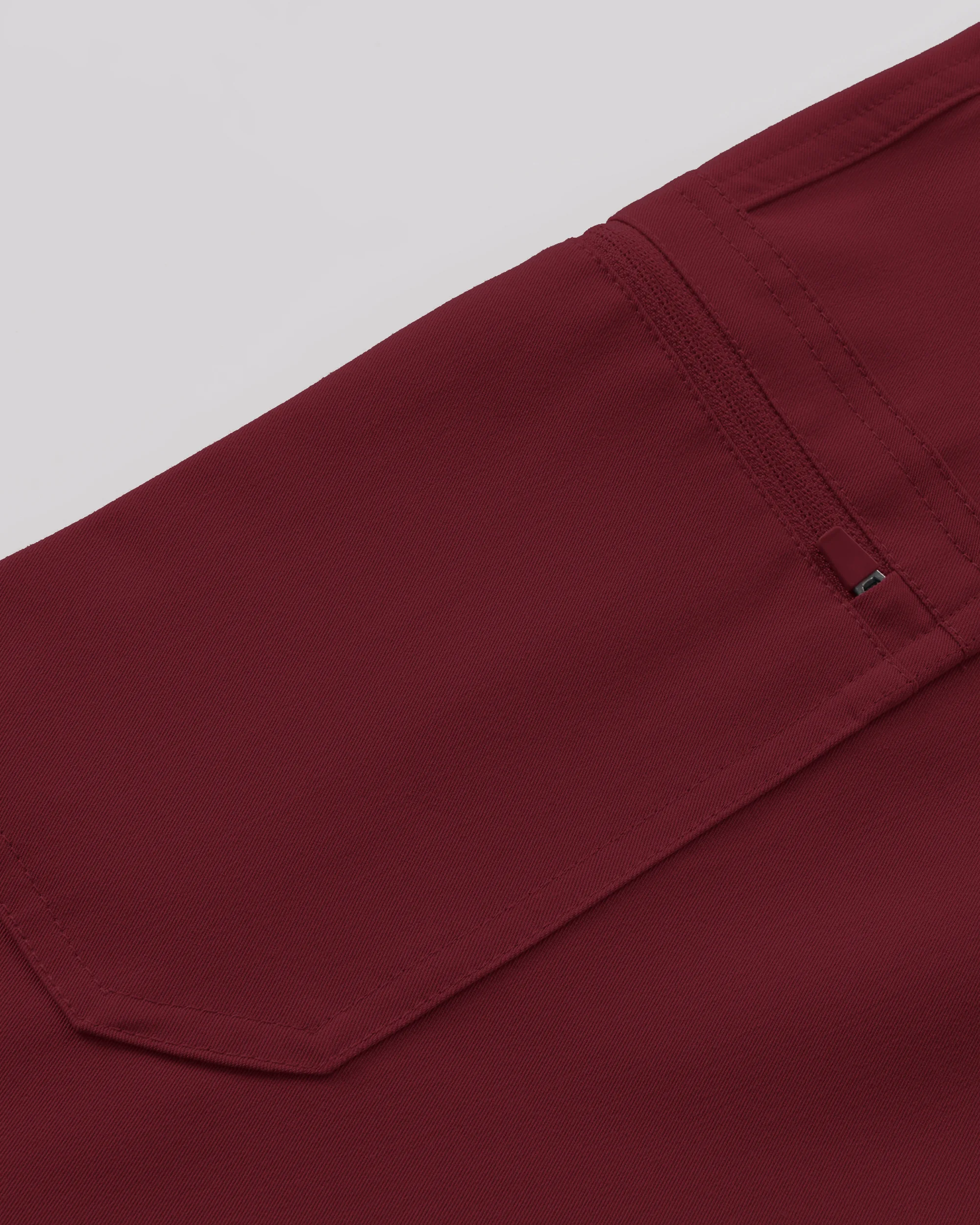
The women’s cargo close-up shows a zipper, two visible openings, stitching, and layered pocket construction. It does not prove seam strength, tear resistance, capacity, retention, or lifespan.
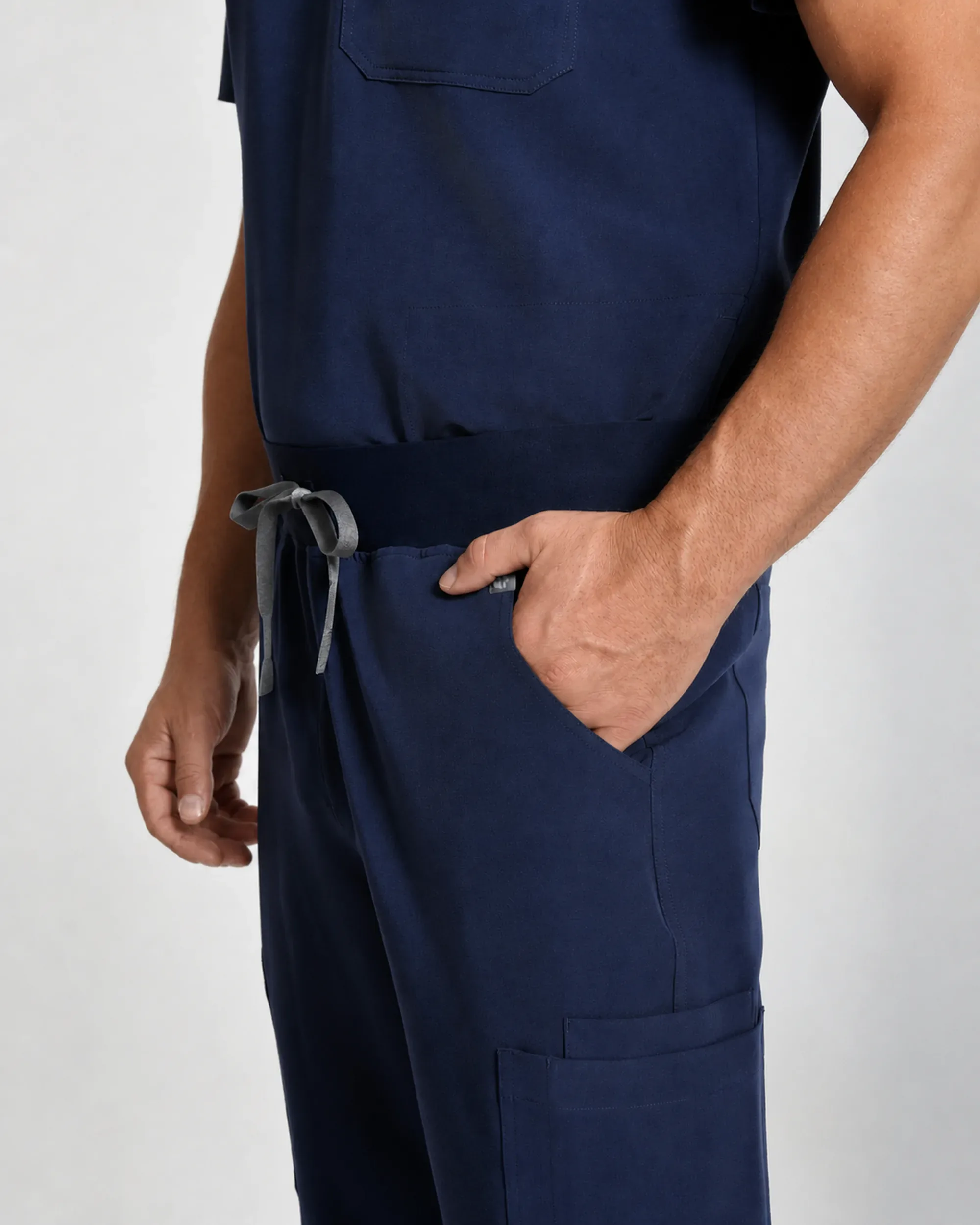
The men’s image shows the waistband, drawcord, front pocket opening, and lower cargo placement. The model’s hand is not a capacity or strength measurement.
If replacement is the right outcome, compare current scrub pants by cut and visible pocket layout, then run the empty and one-item checks before washing or wearing the choice to work.
Reduce the chance of repeat damage
For the replacement or repaired pant, change one variable at a time:
- Keep sharp or pointed items in the workplace-approved container and location.
- Carry only permitted items that need to remain on the body.
- Give heavier or rigid items a location that stays stable in the movement screen.
- Empty every pocket before laundering and close hardware as the care label directs.
- Check pocket corners, inside seams, zipper ends, and the surrounding fabric under good light.
- Compare empty and loaded fit before adding the pant to a full rotation.
- Record a recurring failure by product, size, pocket, item, movement, and wash history.
Repeated damage at the same place is a reason to investigate a pattern; it is not proof of a single cause. A useful record makes it possible to change one variable at a time instead of buying the same layout and hoping for a different result.
Frequently asked questions
Can I sew a ripped scrub pocket myself?
Inspect both sides first. A simple seam opening in otherwise intact fabric may be repairable, but torn or thinning material, a detached zipper, or a fit-changing repair deserves an experienced repairer’s assessment.
Is my phone too heavy for the pocket?
Do not guess from the item name alone. Record the phone and case weight, compare the pant empty and loaded, and note movement in the pocket mouth, side seam, waistband, and surrounding fabric without retesting a damaged garment.
Does a zipper make a scrub pocket stronger?
A zipper is a closure, not proof of seam strength, fabric strength, capacity, or lifespan. Inspect its placement and surrounding construction, then use it only for an item the garment and workplace permit.
Is a torn pocket covered by a quality policy?
Read the current written terms and send the evidence packet before repairing. Seam separation, outside cuts, sharp-object holes, ordinary wear, and hardware changes may be treated differently.
When should I stop wearing scrub pants with a pocket tear?
Stop using the damaged pocket immediately. Stop wearing the pant for work when the opening affects coverage, item containment, required appearance, or safe function, and follow the workplace’s clothing-change rule.